
6 min
Mindset & Strategy
Strategy Meets Speed
As a manager, I always had brilliant strategies. What drives me now: turning them into working prototypes myself – in one evening instead of ten weeks. That's my new superpower.
10 March 2026Read
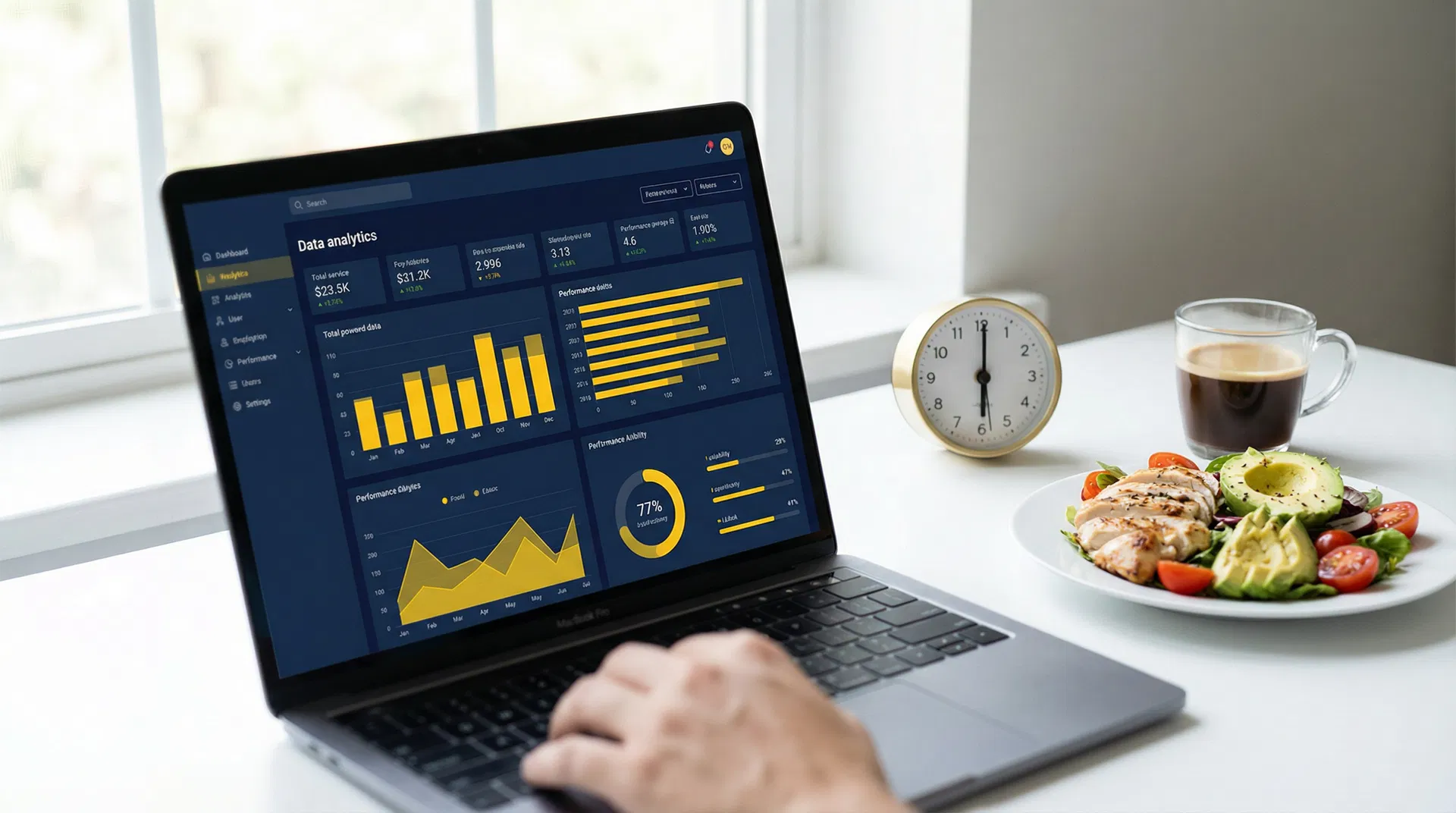
Without a single line of real corporate data. Just dummy data, an external crawl as a template – and Manus AI as the architect.
Philipp Kendzior
Head of Data, Continental Europe
It's a Tuesday evening. 9:30 PM. After a long day in the corporate world, I'm sitting at my desk with a question that has been on my mind for a while:
What if I just prototyped what we do at Sodexo with our food management systems myself? No project proposal. No budget. No approval. Just to see if it's possible.
Three things stood in my way: I have no real corporate data. I have no developers. And I have a maximum of 30 minutes.
Spoiler: It worked.
In my daily work as Head of Data for Continental Europe at Sodexo, I work with Food Management Systems (FMS) – complex data systems that capture everything: sales figures by location, product categories, time periods, customer groups. The data is there. The questions are clear. But the answers often come too late, too slowly, not action-oriented enough.
The classic enterprise dilemma: Data volume is not the problem. Data access and data speed are.
I wanted to know: Can I use Agentic AI to build a prototype that shows what an AI-Driven Food Data Analytics tool could look like? Not for production. Not with real data. But as a working concept that I can show my team and that accelerates the discussion about the right approach?
Here is the crucial point I keep emphasising: You don't need real corporate data to build a convincing prototype.
My approach was divided into three steps:
I described to Manus AI in a detailed prompt how FMS data is typically structured. Not the real data – but the logic behind it. What dimensions are there? What metrics? What time periods? What location types?
This is the difference between a technician and a business strategist: I didn't have to write any code. I just had to describe what I know – and I know that very well after 15 years in Finance, Pharma and Retail.
To make the dummy data realistic, I had Manus AI crawl an external, publicly accessible source – an industry website with typical food service metrics and benchmarks. This data was not used as content, but as a structural template: What categories are standard in the industry? What metrics are typically measured?
The result was a dataset that feels like real FMS data – with realistic fluctuations, seasonal patterns and plausible outliers.
With this dataset, Manus AI built a complete AI-Driven Food Data Analytics Tool in a single prompt run. No step-by-step clicking. No iterating over weeks. One prompt, one result.
The result surprised even me. In 30 minutes of total effort – including prompt formulation, crawl and generation – a tool emerged with the following capabilities:
Revenue and Volume Analysis by Location Type
The tool segments data by different location types (corporate restaurant, canteen, cafeteria, catering) and shows revenue and volume development over time. Exactly what an FMS analyst needs daily.
Product Category Performance (Food Analytics)
Which categories are performing? Which are winners, which are losers? The tool delivers a dynamic ranking with trend indicators – rising, stagnating, falling.
Location Benchmarking
A direct comparison between locations: who is above average? Who is below? Where are the biggest levers for improvement? The classic benchmarking problem, solved in seconds.
AI-Powered Anomaly Detection
The most exciting feature: the tool automatically detects outliers in the data – unusual revenue drops, sudden category shifts, seasonal deviations from expected values. Not as a static rule, but as a dynamic AI analysis.
Natural Language Queries
The user can query the tool in natural language: "Which location had the strongest decline in hot beverages in Q3?" The tool responds not with a table, but with a structured analysis including a recommended action.
The tool itself is impressive. But the real insight lies elsewhere.
In 30 minutes, I built something that in the corporate world would have required a formal project proposal, a budget of at least five figures, a development team and six months of time. Not because the requirements are more complex. But because the process is what it is.
And now I have a working prototype. One I can show my team. One that changes the conversation – from "Should we build this?" to "How do we scale it?"
That is the real value of rapid prototyping as a manager: You change the quality of the conversation.
You don't need to be a developer. You don't need to be a data scientist. You just need three things:
1. Domain expertise: You know your business. You know which questions matter. You know how the data is structured. That is your raw material.
2. The ability to describe structure: The decisive skill is not programming – it is the precise description of structures, logics and requirements. That is classic business strategist craft.
3. The willingness to start with dummy data: You don't need real corporate data. You need realistic dummy data that maps the logic of your real data. That is the compliance-free path to a convincing prototype.
The 30 minutes I invested gave me more clarity about the right approach for our real project than three months of conceptual discussions.
This prototype is not the end. It is the beginning of a conversation I can now have with my team – based on a working model rather than PowerPoint slides.
That is exactly the difference between the manager of yesterday and the manager of tomorrow: one waits for the prototype. The other builds it themselves – in 30 minutes, on a Tuesday evening, after work.
Which data in your company would benefit from such a prototype? Write it in the comments – I'm curious to hear your answers.
Did you enjoy this post?
Connect on LinkedIn and join the conversation.
Keep Reading
As a manager, I always had brilliant strategies. What drives me now: turning them into working prototypes myself – in one evening instead of ten weeks. That's my new superpower.
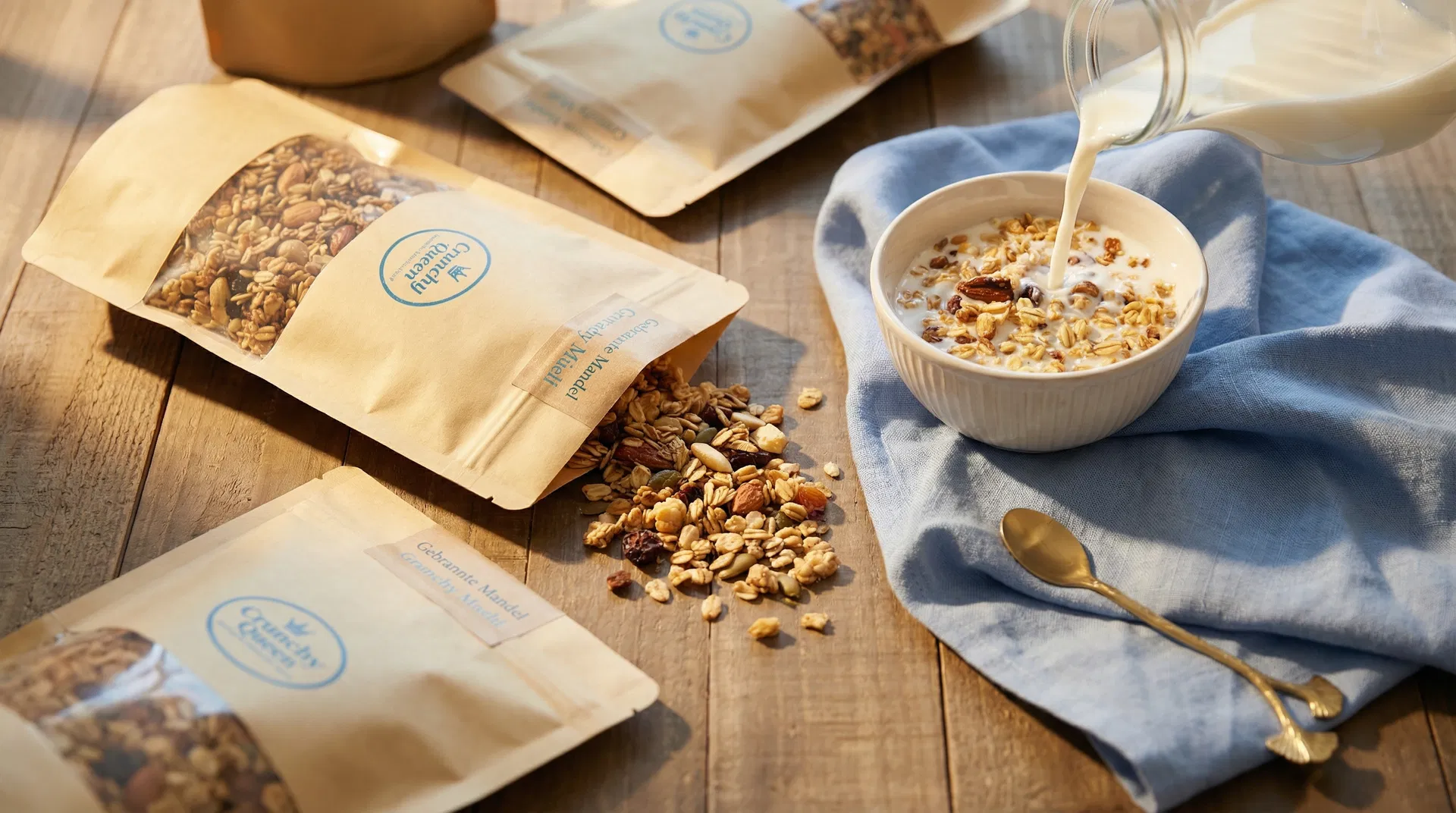
An established food brand, over 10 years of customer data, AI expert bots and a dashboard that would cost hundreds of thousands in a corporation. Built in my spare time. This is the story.

A BMW i4 that never arrived. A personal frustration. And a niche site with 399+ car models, daily crawls and SEO dominance – built in my spare time with Manus AI.